Case Study: Scaling a Food Literacy Program Through User Research & Learning Design
A longitudinal mixed-methods UX research protocol that informed the design and scaling of a digital learning ecosystem.
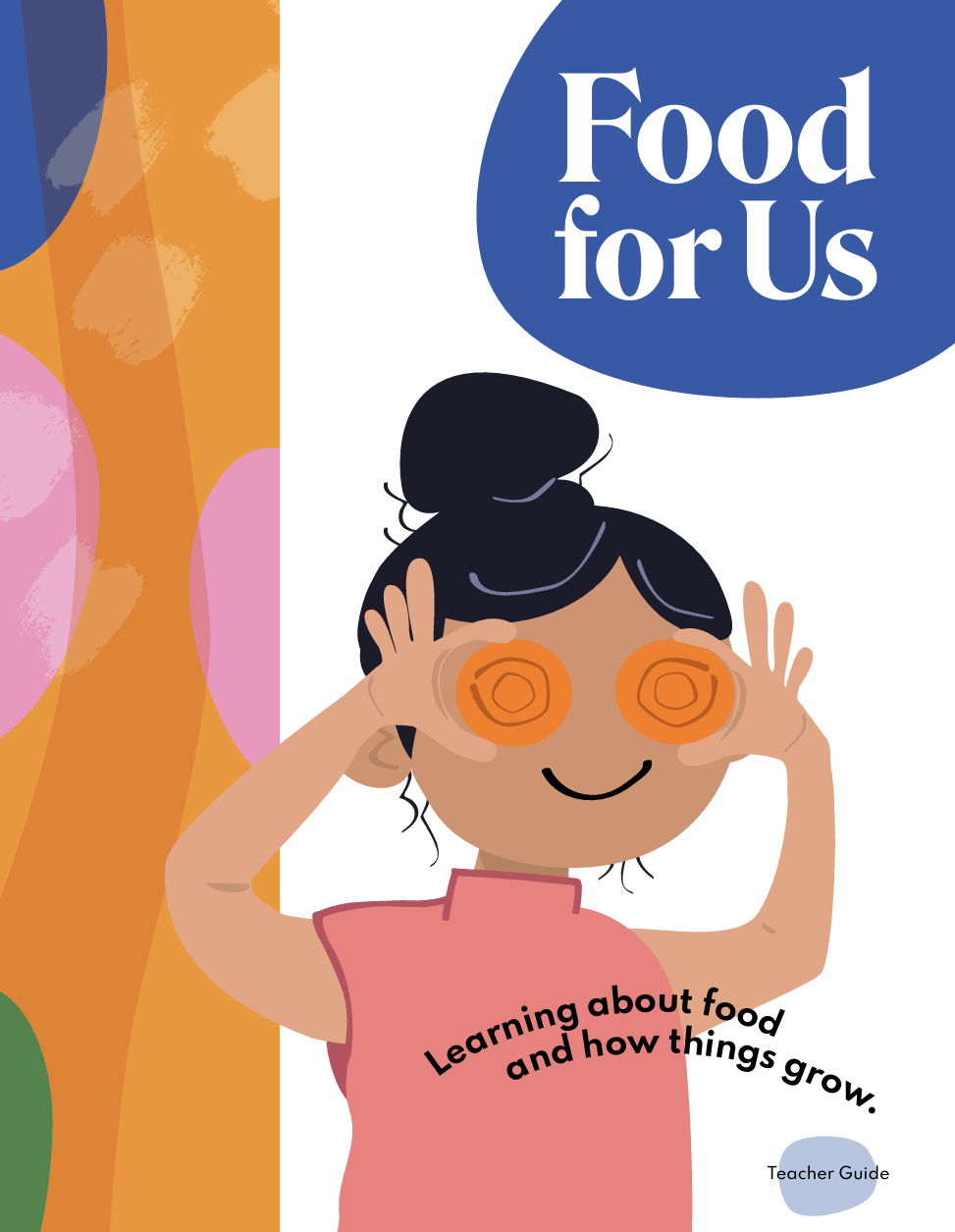
Food for Us Teacher Guide (2022)
Redesigned curriculum aligned with the 2019 Canada’s Food Guide, incorporating inclusive content, modern visuals, and updated instructional approaches.

Recipient of the Ellyn Satter Seal of Approval.
Context
Food for Us (FFU) is a Grade 2–3 food literacy program developed by registered dietitians at the BC Dairy Association to help educators teach foundational nutrition concepts aligned with Canada’s Food Guide. The program was originally evaluated in the early 2000’s with over 8,000 students through pre- and post-implementation evaluation.
Original evaluation results:
more than 96% of teachers surveyed were ‘very satisfied’ or ‘satisfied’ that most students could classify foods into food groups and demonstrate an understanding of balanced meals and healthy snacks.
over 90% of the students could name and classify foods by food group, essential for planning balanced meals and choosing healthy snacks.
parents packed more balanced lunches for their children, suggesting the program effects transferred from the students to their parents.
Food for Us Teacher Guide (mid-2000s)
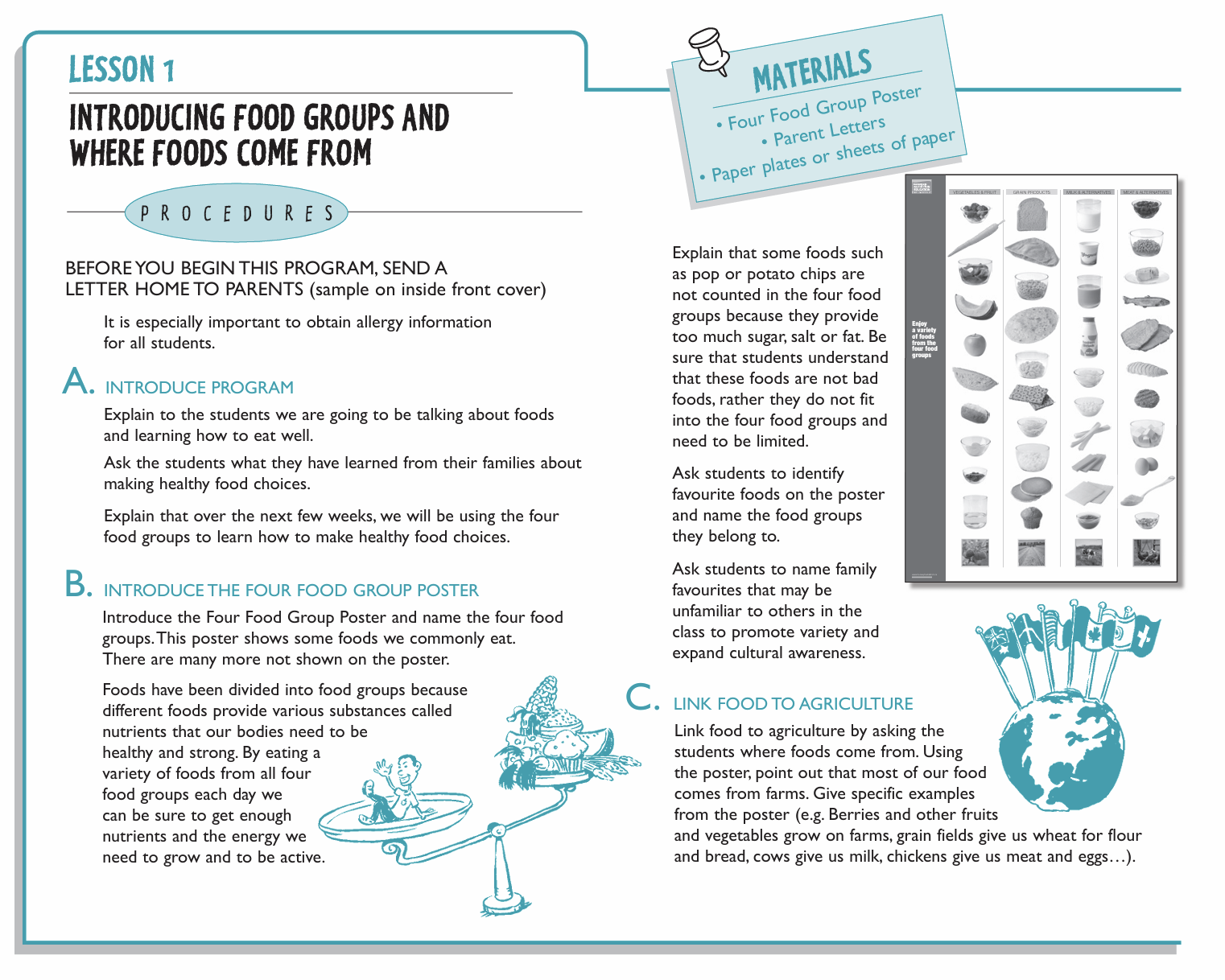
Introduction: Teacher Guide (mid-2000s)
On-Farm Story: (mid-2000s)
Vegetable & Fruit: Student Booklet (mid-2000s)
Vegetable & Fruit: Student Booklet (mid-2000s)
Vegetable & Fruit: Student Booklet (mid-2000s)
Challenge
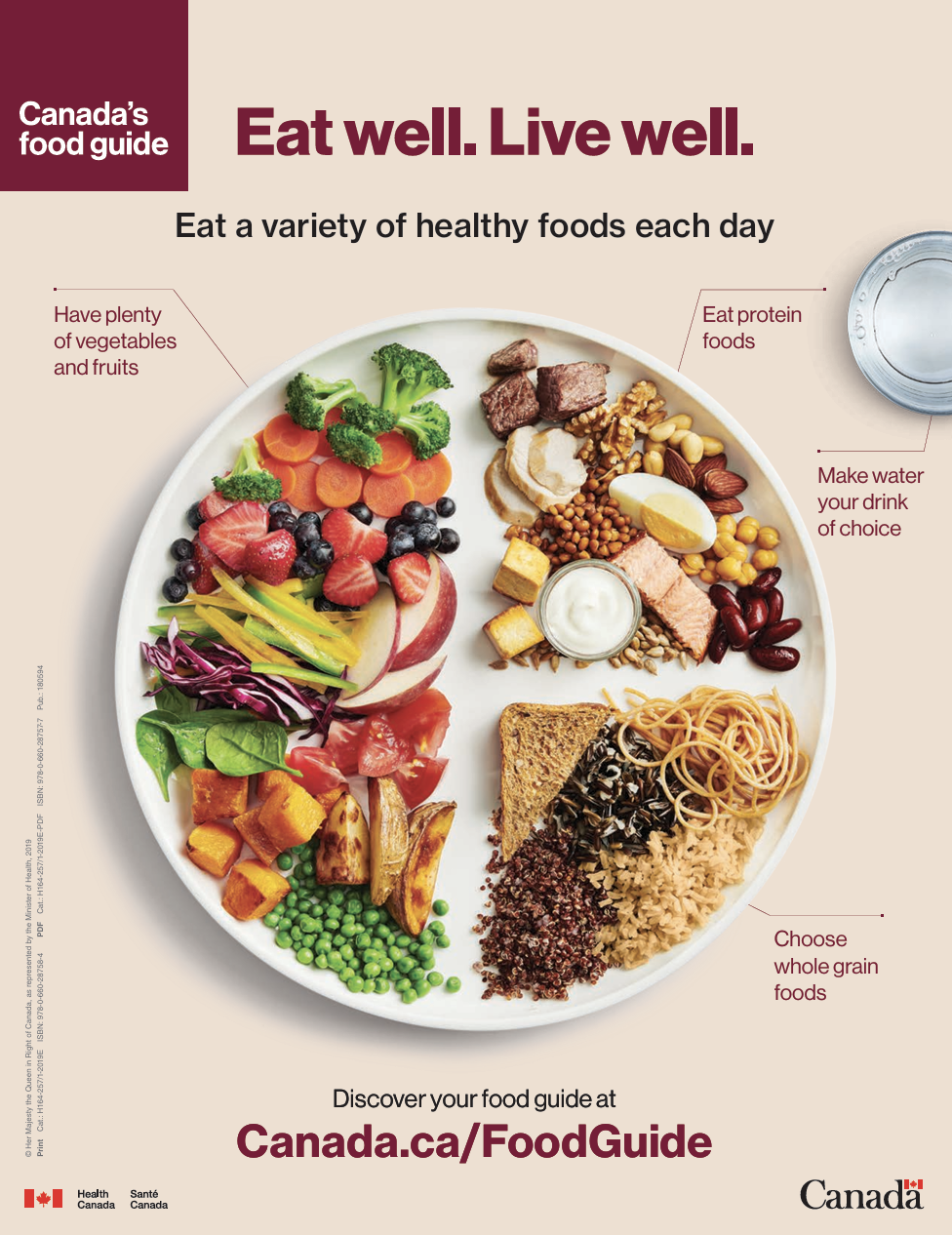
Following the 2019 update to Canada’s Food Guide, the Food for Us curriculum no longer reflected current federal guidance. Importantly, new guidance for education shifted away from serving sizes and amounts. Beyond policy alignment, the program’s content, visuals, and delivery model required modernization to reflect contemporary classroom needs, including digital access, inclusive representation, and equitable learning experiences.
Rather than assuming a simple content refresh would suffice, a research-driven approach was undertaken to understand educator needs, barriers, and preferences before redesigning the program.
To ensure the Food for Us program addressed real classroom needs while delivering measurable impact, we employed a mixed-methods research methodology combining large-scale discovery research with in-class pilot testing.
This approach enabled both broad system-level insights and deep, real-world validation.
Research Approach: Mixed-Methods Design
Phase 1 — Environmental Scan & Needs Assessment (Discovery Research)
A province-wide survey of educators was conducted to understand how food and nutrition education is delivered in K-12 classrooms across British Columbia.
Participants:
537 K–12 educators.
Data Stratification:
K-Grade 2, Grade 3-5, Grade 6-7, Grade 8-12.
Purpose:
Identify constraints, preferences, and opportunities relevant to teachers and students.
Identify barriers and opportunities to teach nutrition across K-12 classrooms.
Understand preference for digital assets vs. print materials based on grade.
Recruitment:
Facebook campaign run across staggered 3-month sprints.
Research Methods:
15-minute online survey.
Quantitative Analysis
regional distribution of educators by grade and location, sources of nutrition information, curriculum fit for nutrition education.
teaching practices, resource use, technology access, and barriers to teaching nutrition in the classroom.
Qualitative Analysis
open-ended survey responses.
narrative feedback.
Selected findings from the needs assessment highlighting the constraints and preferences that shaped program design.
Key insight: sample size equally distributed across grade groupings.
Key insight: educators face time, cost, and resource limitations.
Key insight: National, Federal, and Agricultural Organization resources were the top 3 sources of trusted food and nutrition information.
Key insight: Printed resources and downloadable PDFs were preferred over eLearning/LMS delivery formats.
Key insight: What educators teach when it comes to food and nutrition, differs from what they feel is important to teach.
Key insight: Educators noted eLearning/online modules for professional development were preferred due to time constraints.
Key insight: Use of technology in the classroom increased with grade level.
How Insights Informed Design
Continue to align with Canada’s Food Guide as foundation for content.
Focus on place-based learning, where food comes from, food stories, and agriculture education.
Printed resources, digital PDFs, and teacher guides were preferred over eLearning content for students.
Due to time constraints, teachers preferred self-paced e-Learning modules for their own professional development.
Foods selected should reduce barriers related to cost, convenience, and resource limitations.
Food education occurs across multiple subject areas, requiring flexible materials.
Phase 2 — Classroom Pilot Study (Evaluative Research)
A 4-month pilot across multiple districts throughout British Columbia with Grade 2-3 teachers. Included both teachers familiar with the original program and new users.
Participants:
21 teachers
400+ students
Purpose:
Evaluated the redesigned program in real classrooms to assess usability, engagement, and educational impact.
Comparative insights from teachers familiar with prior versions of the program.
Recruitment:
In-house CRM database was used to contact study participants.
Research Methods:
teacher interviews, open-ended questions, classroom observations, parent/guardian feedback
Quantitative Analysis
classroom size
lesson completion rates
average lesson duration
frequency of activity use
regional distribution of classrooms
Qualitative Analysis
usability, engagement, challenges, materials, lesson flow, and perceived effectiveness
student participation and comprehension
activities that succeeded or failed in practice
informal reports shared by teachers regarding behavior changes at home
Select findings from the pilot highlight the feedback from students, educators, and parents, shaping the structure, format, and delivery of the program design.
Key Insights: Sample size aligned with standard grade distribution across the province.
Key Insights: Educators report high diversity in student population.
Key Insights: Educators reported pilot materials ranged in appropriateness regarding difficulty across grades.
High student engagement with experiential learning
Teachers reported that experiential components sustained attention more effectively than text-heavy activities.
Students particularly enjoyed:
• Tasting activities
• Drawing and hands-on tasks
• Food cards and visuals
• Discussions of family food traditions
Evidence of real-world behavior impact
Teachers and parents reported meaningful changes beyond the classroom:
• Students requested new foods at home
• Increased willingness to try unfamiliar foods
• Shifts in lunch contents following tasting sessions
• Families engaging in food discussions from the program
Implementation fit
Generally feasible but time-sensitive
Average lesson time: ~50–54 minutes
Extension activities often skipped due to time constraints
Teachers preferred materials that could be delivered with minimal preparation
Teacher usability feedback informed refinements
Common improvement areas included:
• Reducing text density in the Teacher Guide
• Increasing visual supports
• Adjusting repetitive student activities
• Simplifying recipes and material requirements
Design Strategy & Key Decisions
Insights from both the environmental scan and classroom pilot were synthesized to guide final program design decisions, ensuring alignment with educator needs, classroom realities, and long-term scalability.
Flexible delivery (print + digital)
Maintained physical Teacher Guides and student booklets while introducing digital access via an LMS.
Inclusive and representative design
Integrated diverse foods, identities, and perspectives across content and visuals.
Alignment with nutrition guidance
Updated content to reflect the 2019 Canada’s Food Guide, emphasizing balance and whole foods.
Designed for classroom constraints
Streamlined lessons to fit ~50-minute periods and reduced prep and text load.
Cultural relevance and food stories
Expanded focus to include food origins, cultural practices, and student experiences.
Engagement-first instructional design
Prioritized hands-on, visual, and interactive learning over text-heavy activities.
Final Program Materials: Sample of Teacher Guide Lesson Plans
Front Cover (2022)
Front Cover, French (2022)
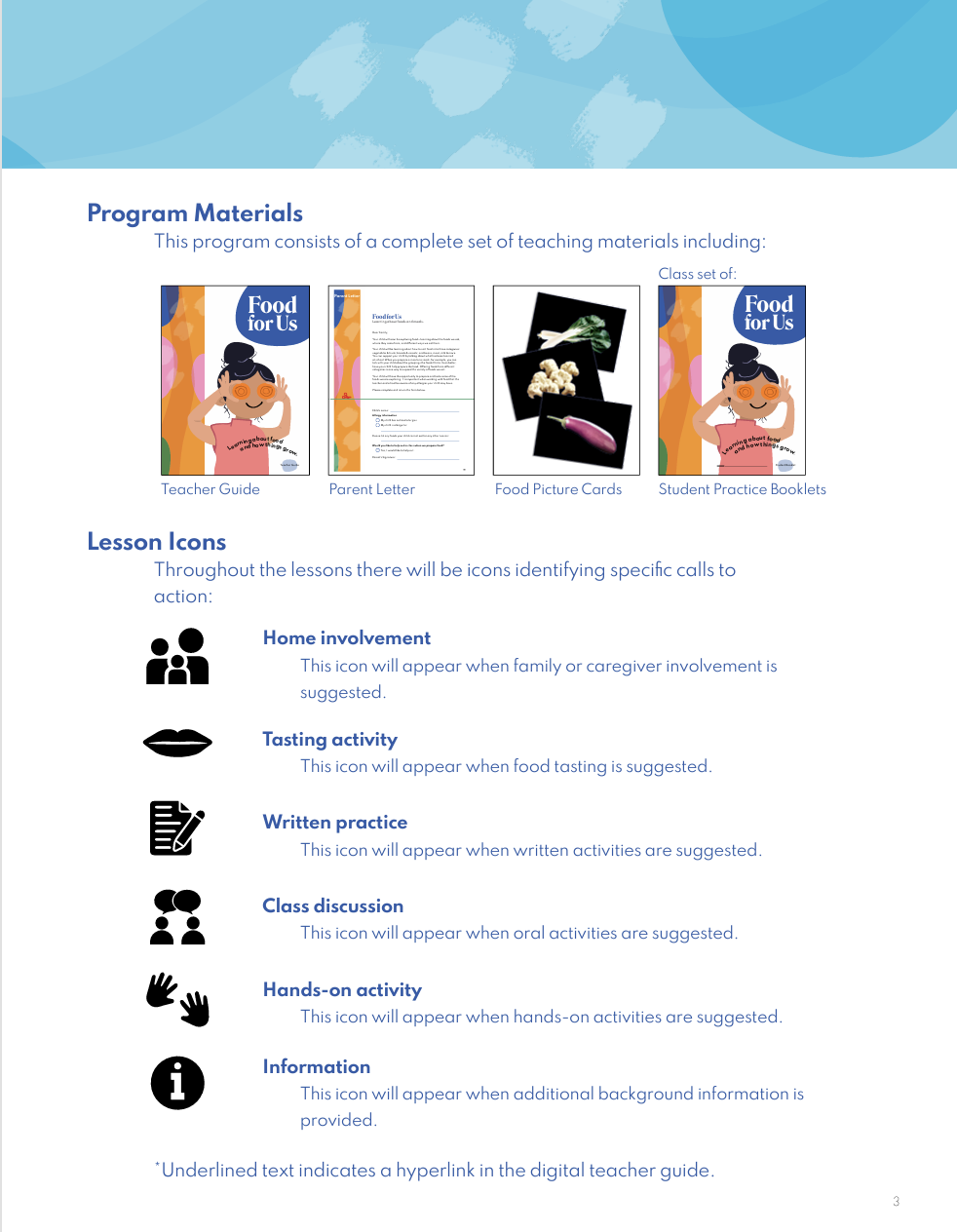
Program Materials
Lesson 1: Program Introduction
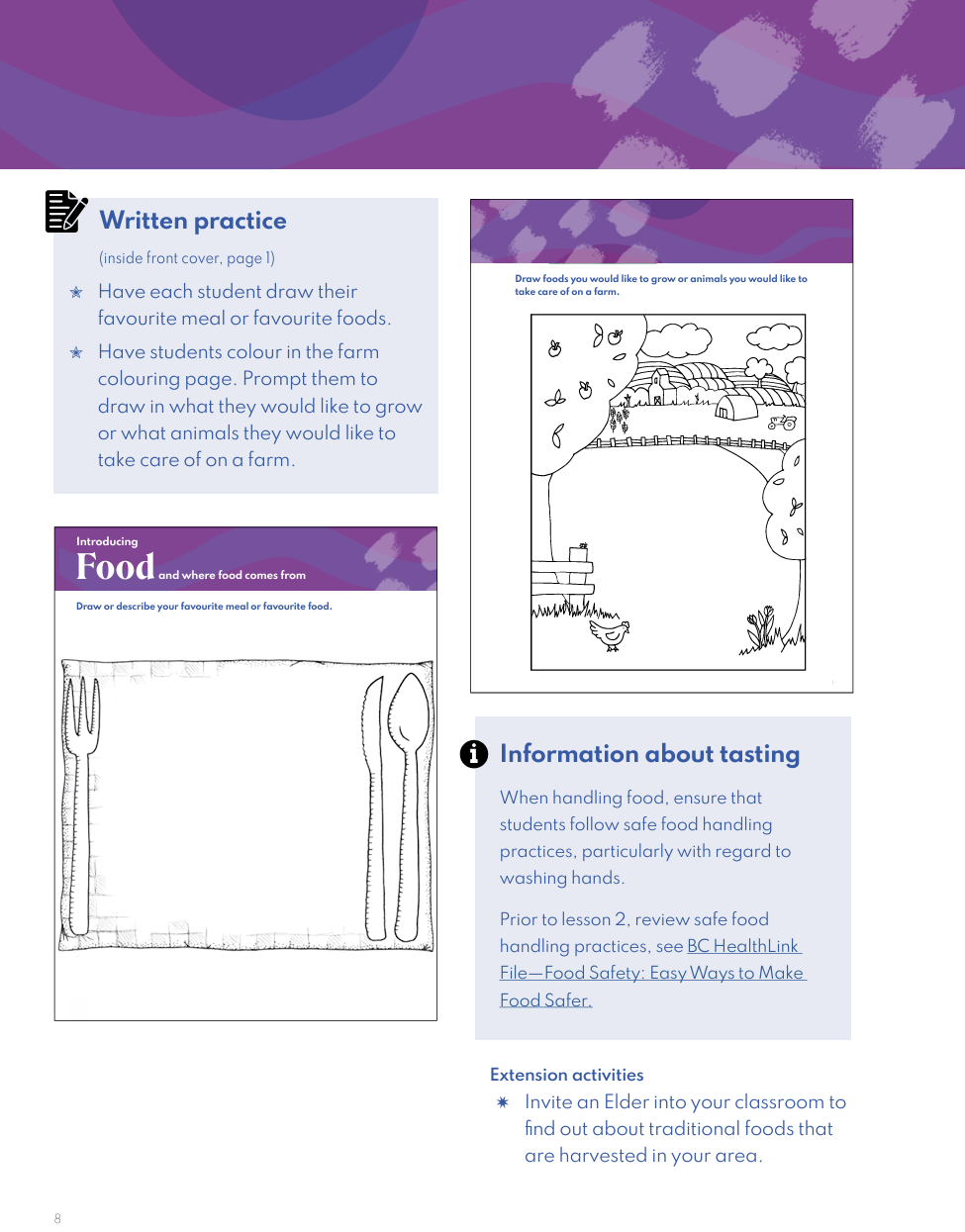
Lesson 1: Program Introduction
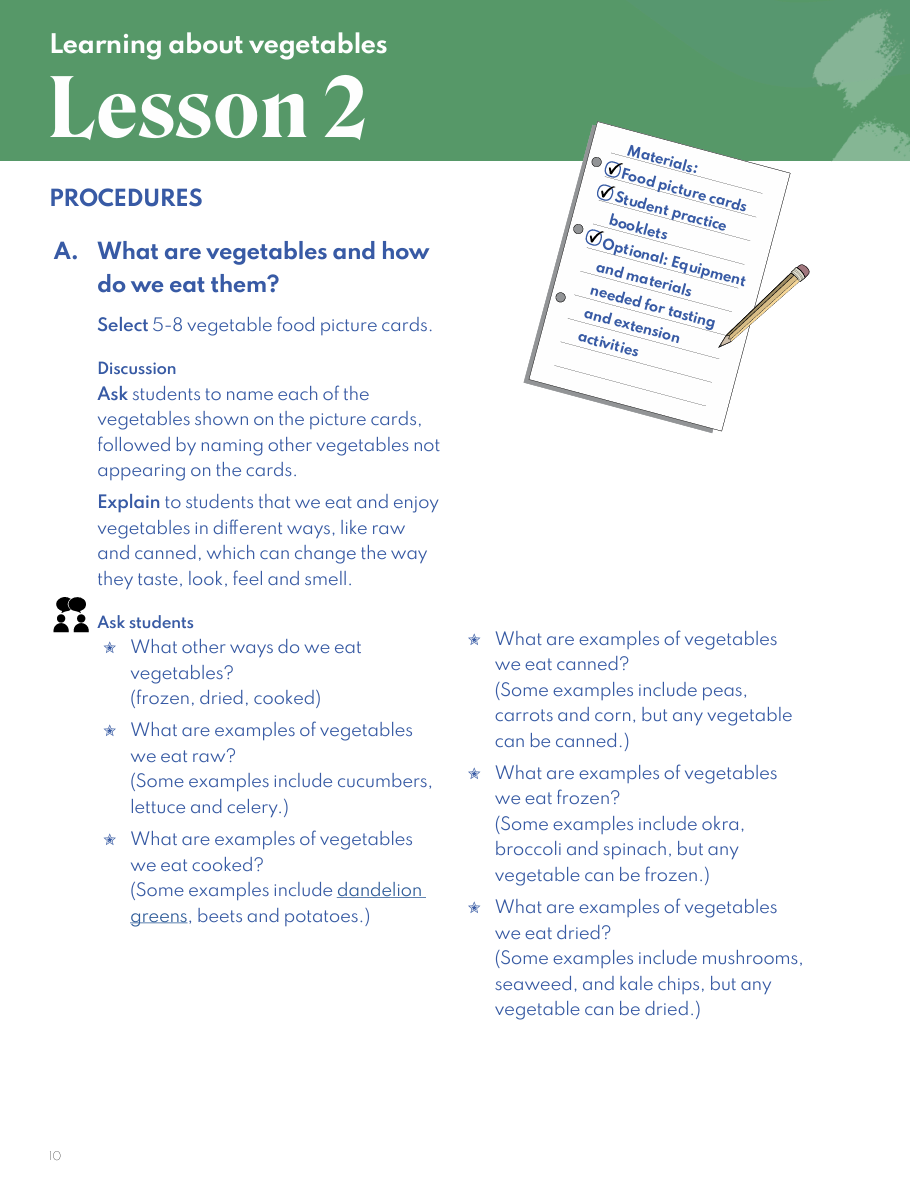
Lesson 2: Learning About Vegetables
Lesson 2: Learning About Vegetables
Lesson 2: Farm Fresh Story Image
Lesson 2: Farm Story
Final Program Materials: Sample of Student Booklet
Front Cover (2022)
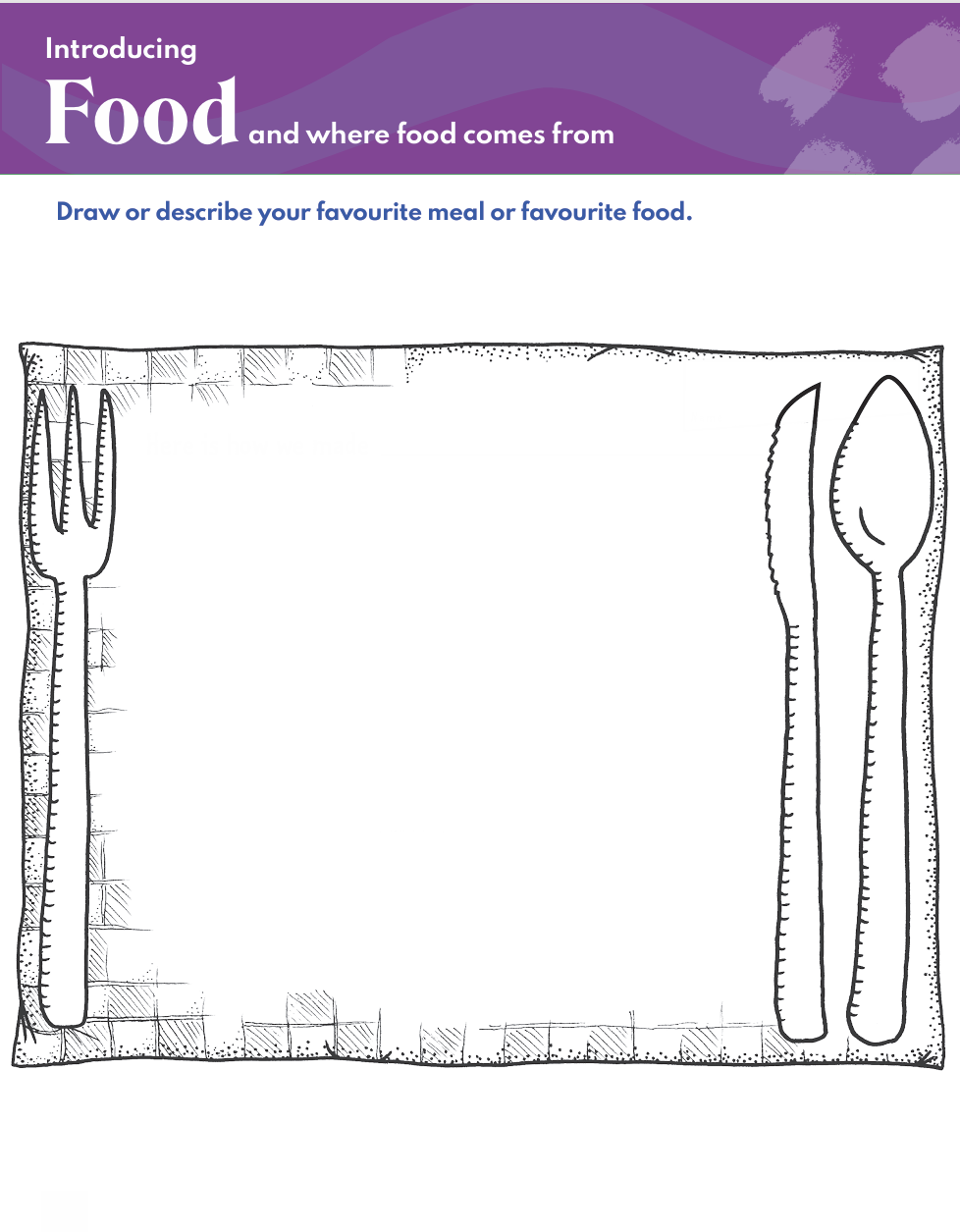
Lesson 1: Favorite Meal Activity
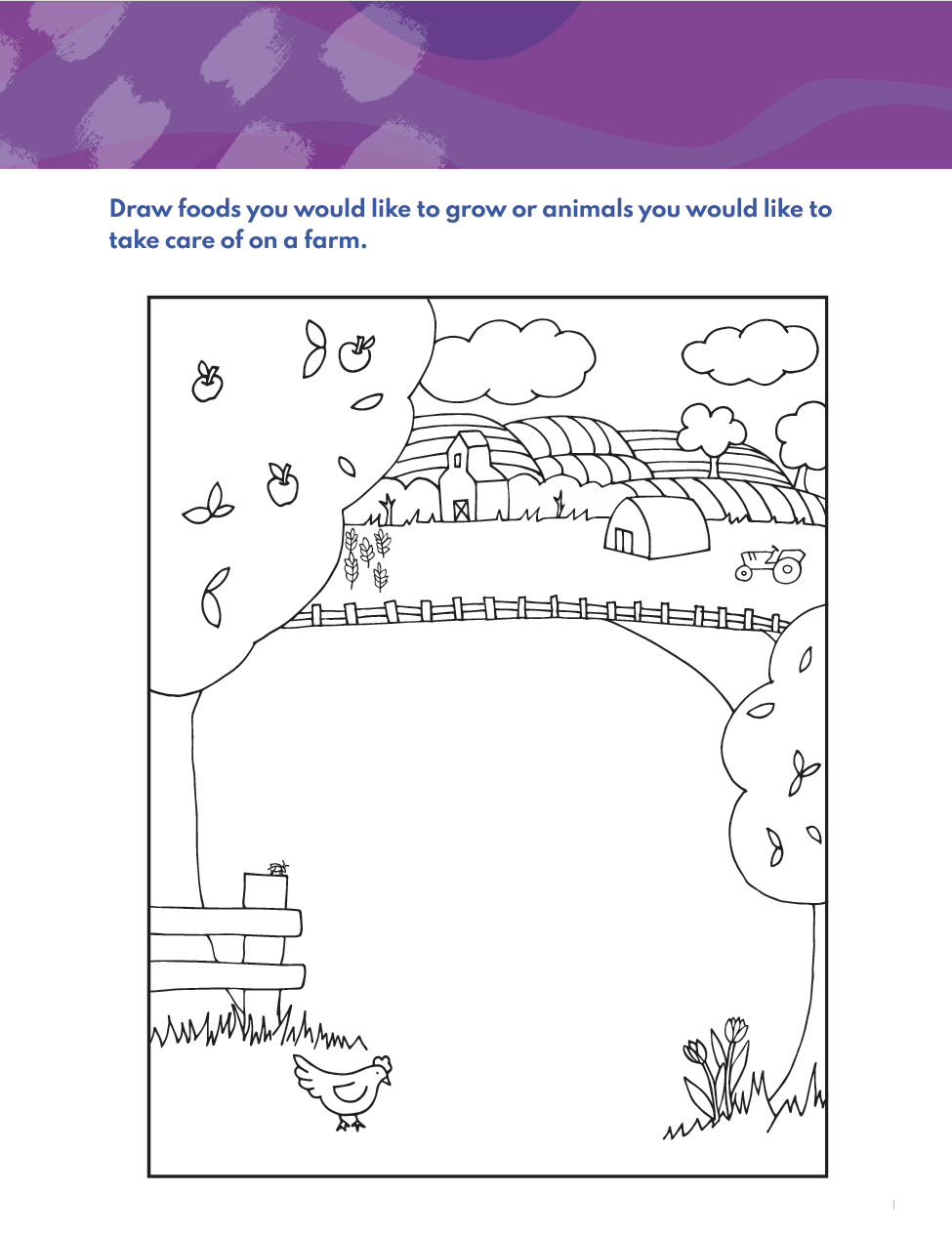
Lesson 1: Where Food Comes From Activity
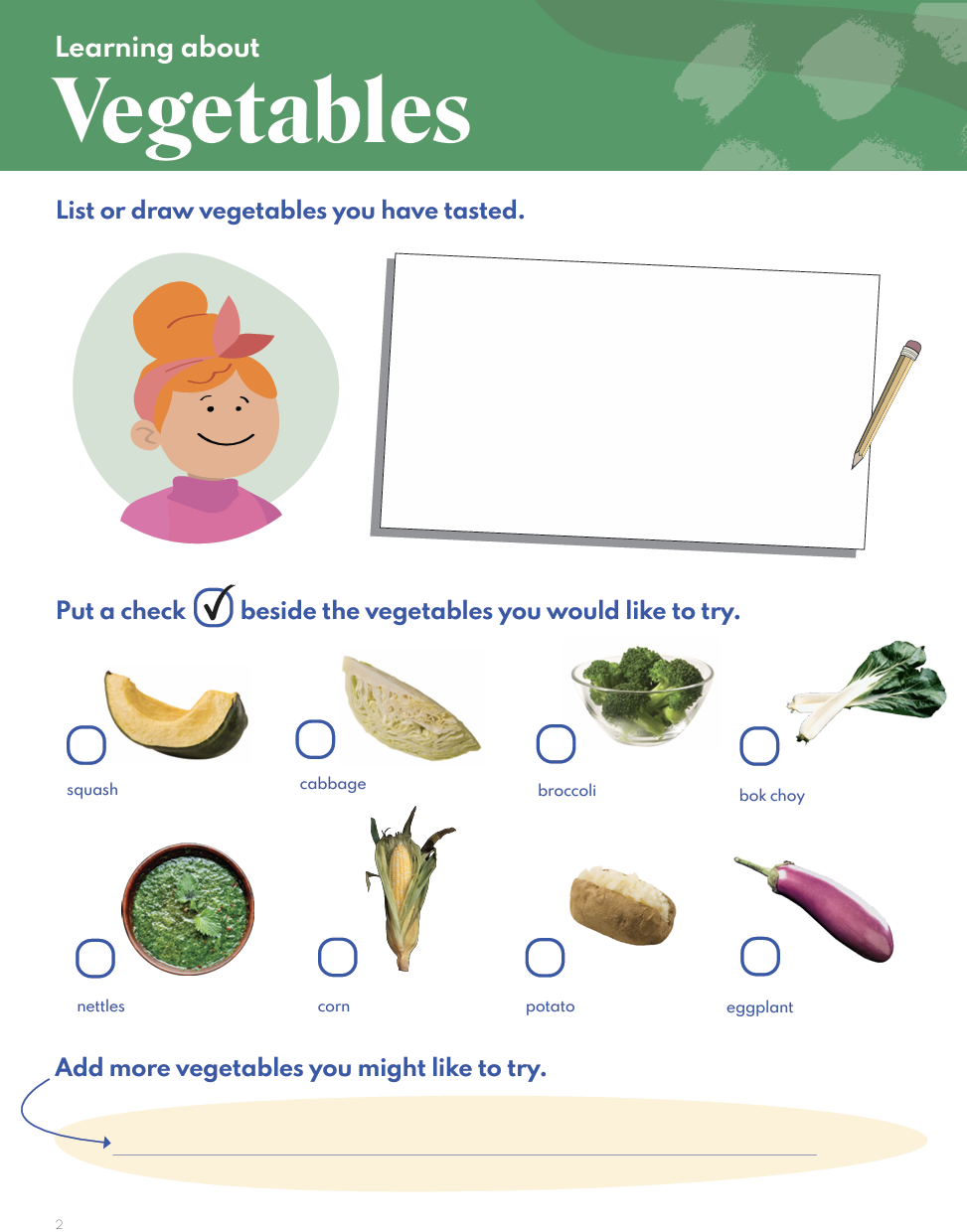
Lesson 2: Identification & Goal Setting
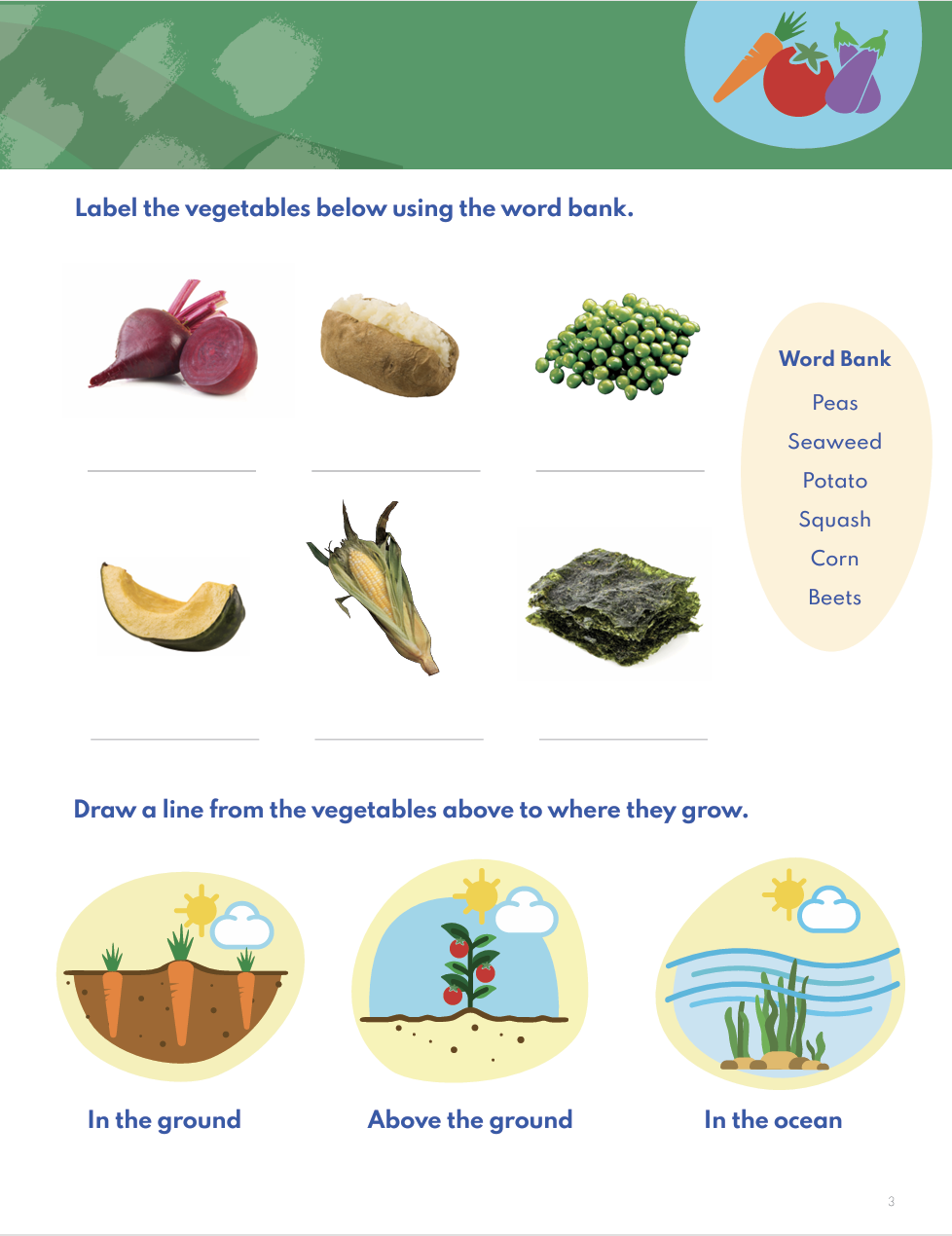
Lesson 2: Food Labeling
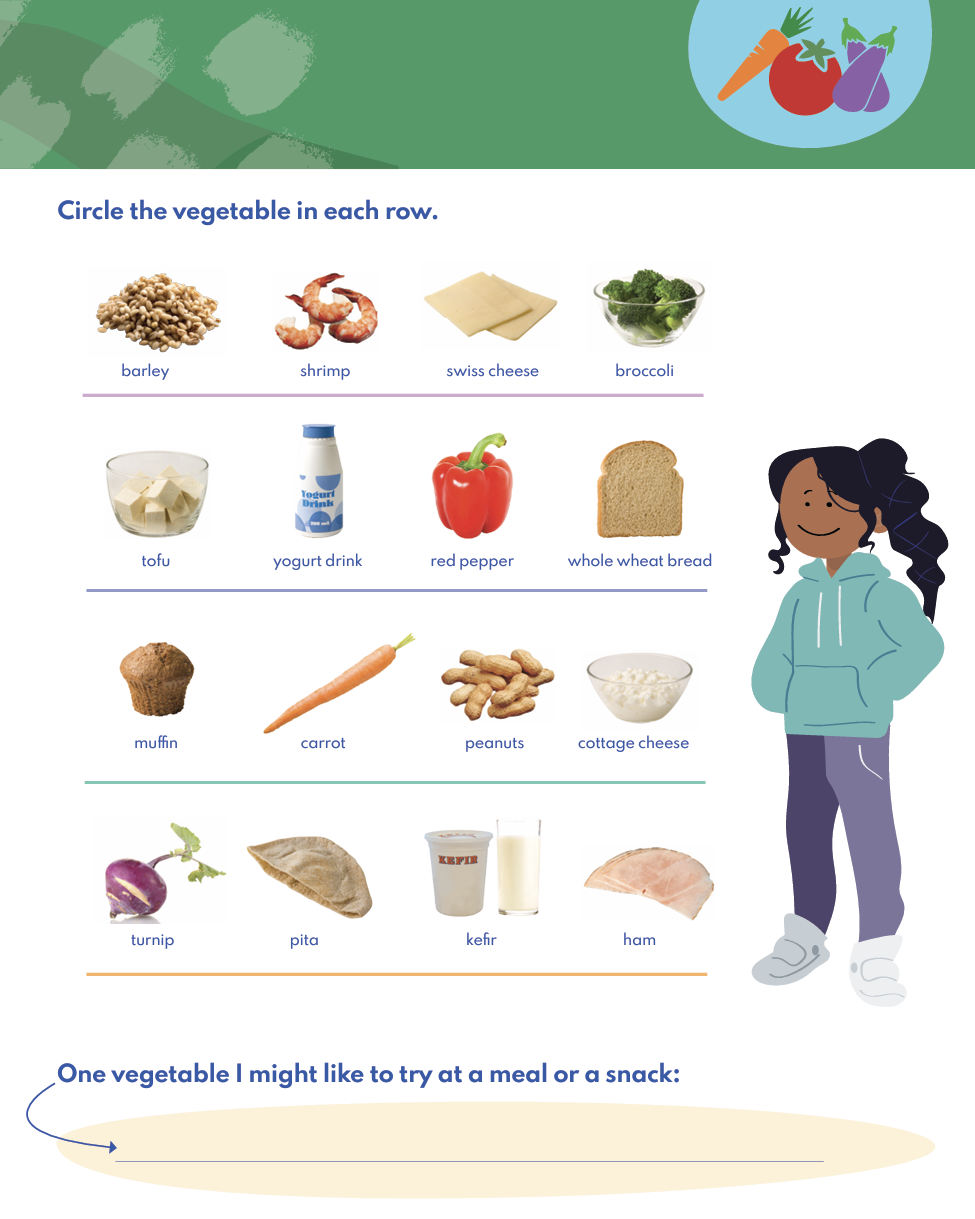
Lesson 2: Exposure & Goal Setting
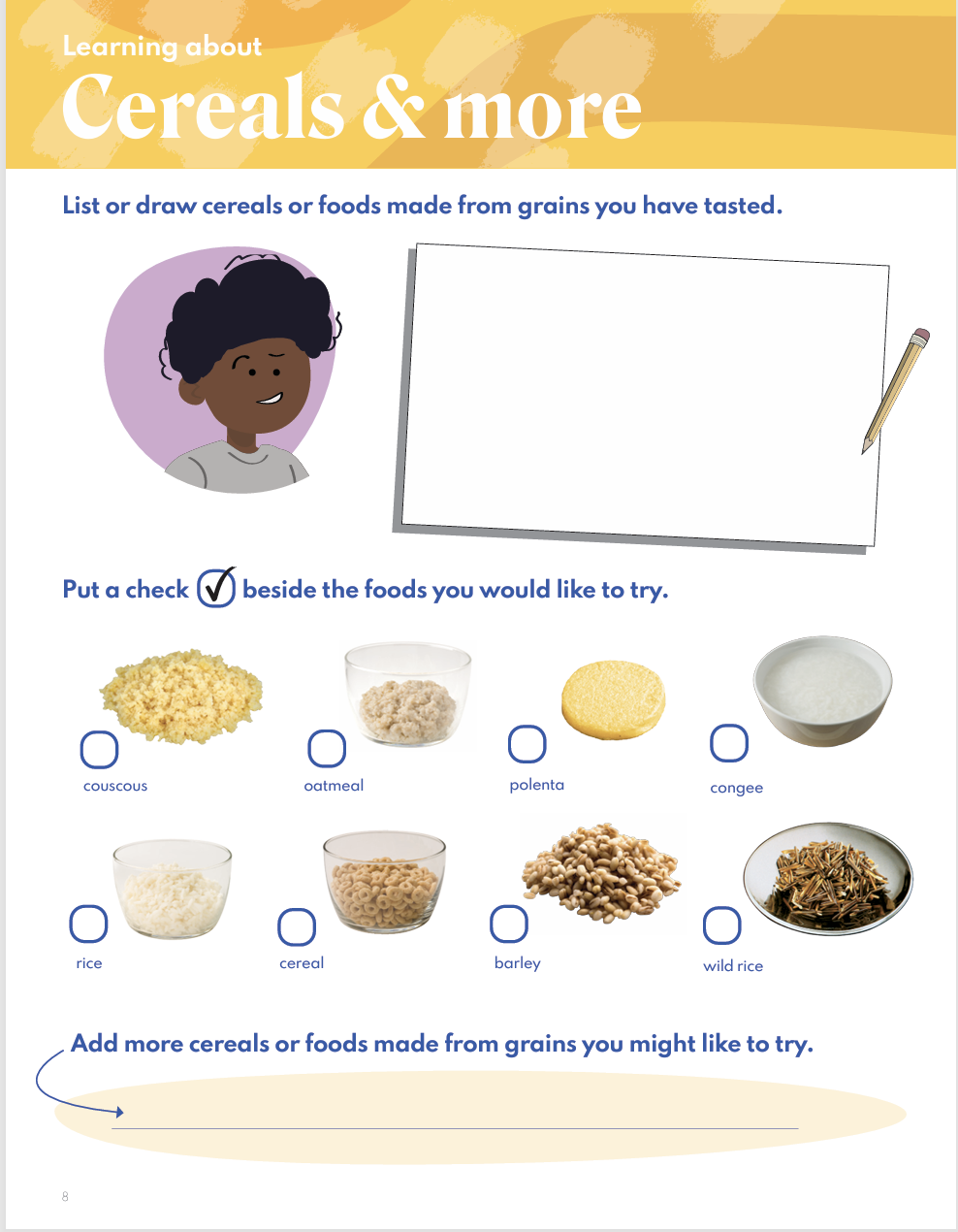
Lesson 4: Exposure & Goal Setting
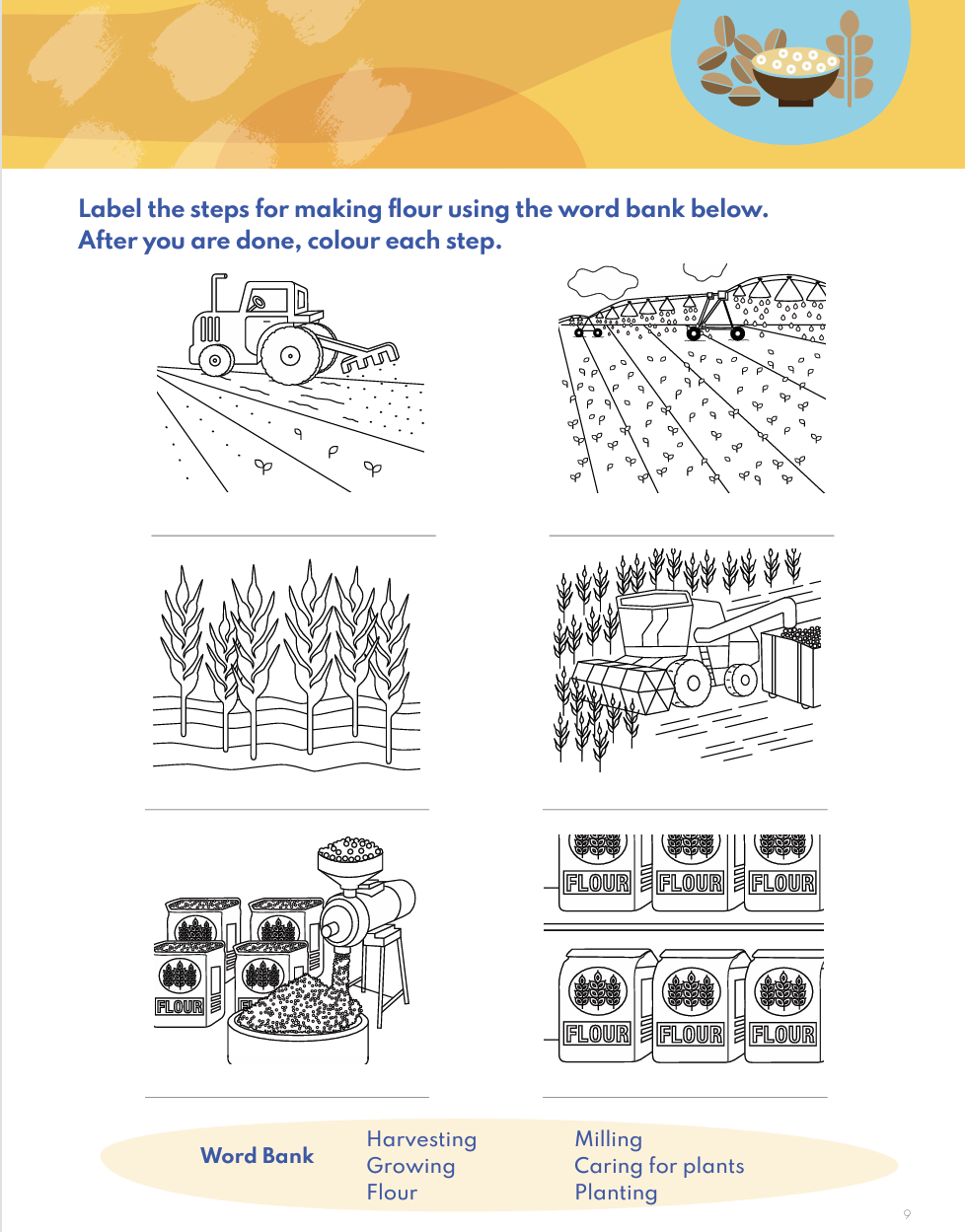
Lesson 4: Where Food Comes From
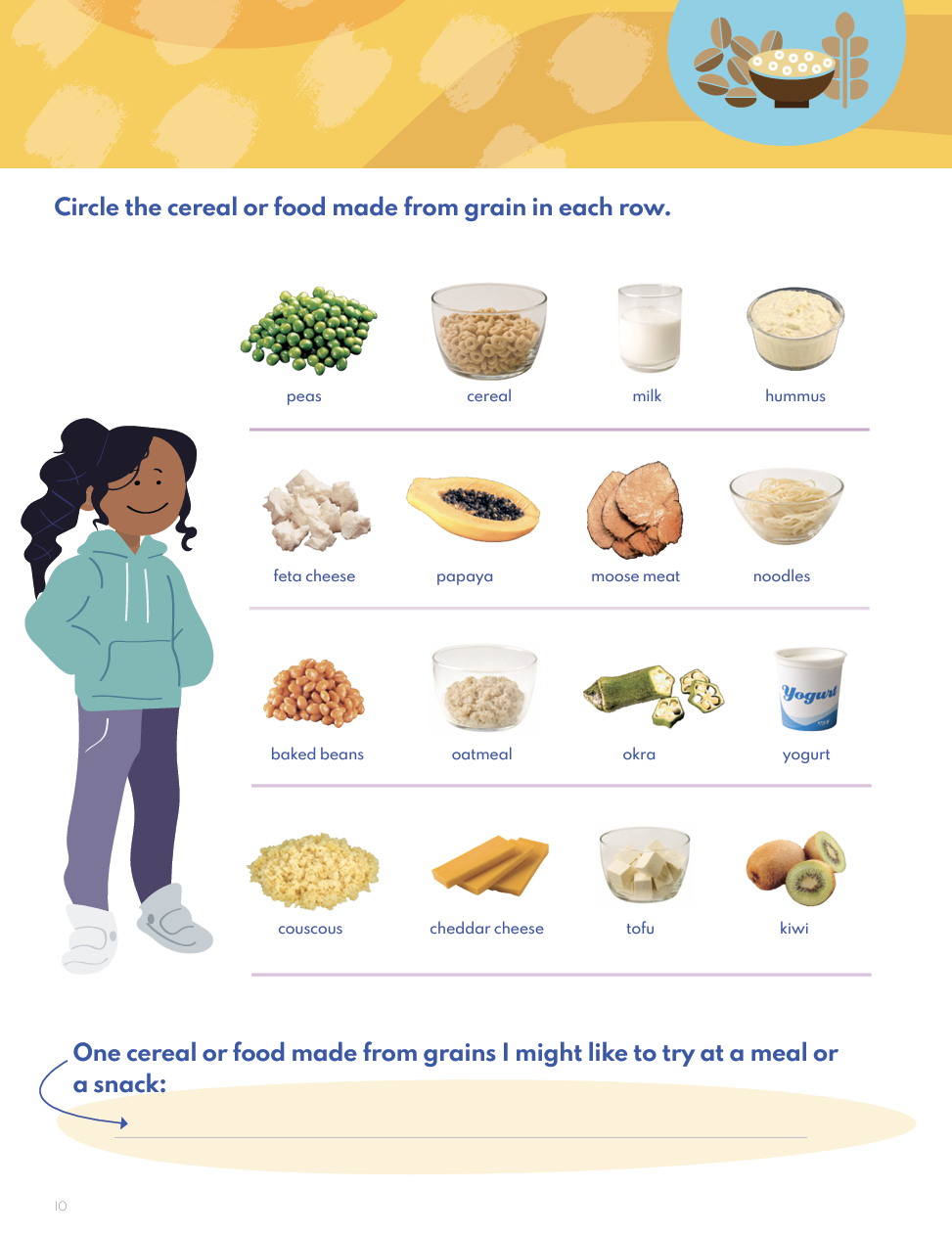
Lesson 4: Identification & Goal Setting
Impact & Scale
The redesigned Food For Us program was successfully implemented across classrooms, demonstrating strong reach, engagement, and real-world impact, reaching 8,000+ students in the first year, and growing!
The program remains an effective, scalable, and research-driven approach to food literacy education, now updated with more inclusive content and modern, flexible access for educators.
Acknowledgements
This work was proudly and generously supported by the dairy farming families of British Columbia. Special thanks go to Erica Cahill RD for her support with UX and program design, Wendy Kwok (graphics design), Emerson Tanaka (digital graphics), Annete Arndt (graphics design), and Prairie Research Associates and Onlea for their support in research and design of the new Food for Us.