Case Study: UX Research, Learning Design
BC Dairy Education Hub
I led UX research, learning design and development, and information architecture for the BC Dairy Education Hub, a digital learning platform designed to scale nutrition education programs to students and educators across British Columbia. Through mixed-methods research, including educator interviews, user journey mapping, and engagement analysis, I identified barriers to content discovery and learning progression within existing program materials.
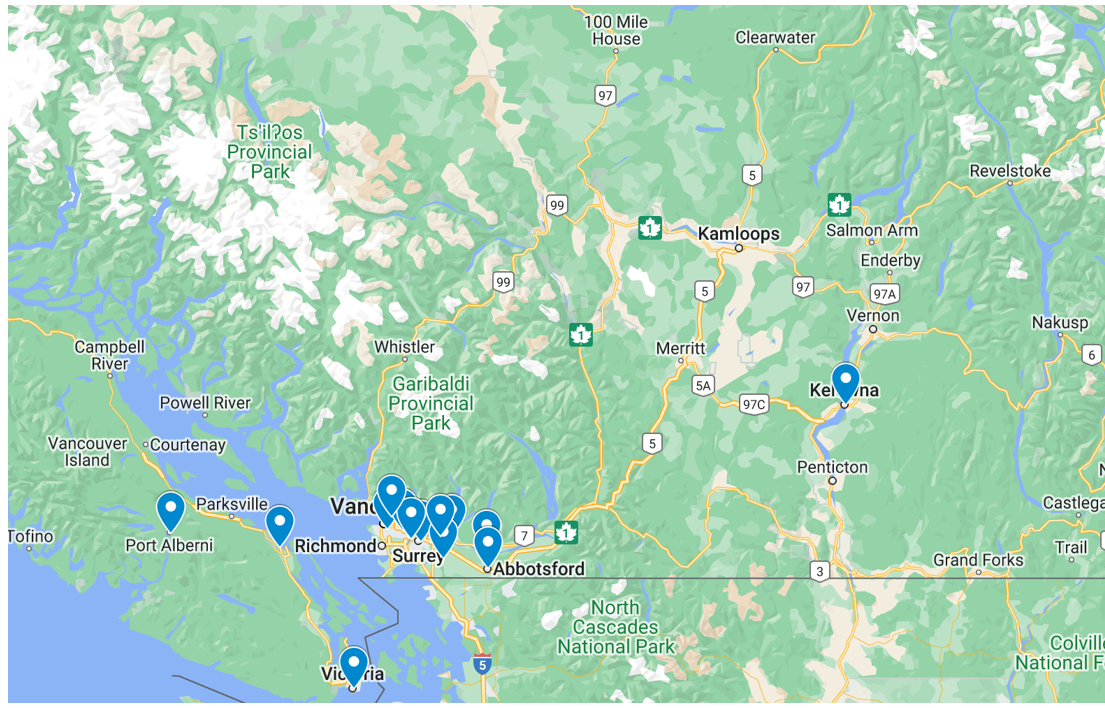
These insights informed the design of a self-paced LMS platform that transformed several in-person nutrition programs into a scalable digital learning environment reaching more than 20,000 students and teachers across the province.
Research Map
Research Methods
Phase I:
Quantitative: Web analytics, A/B testing, Registration funnel metrics, Resource usage tracking
Qualitative: Observational feedback, User feedback statements & testimonials
Phase II:
Quantitative: Engagement metrics, Web analytics, Conversion funnel tracking, Resource usage tracking
Qualitative: Direct user feedback, Observational feedback from video workshops
Phase III:
Quantitative: Likert-scale survey questions, Web analytics, Engagement metrics
Qualitative: Open-ended survey responses, Interviews, Observational feedback
Phase I:
Live Online Workshops & Digital Hub
Challenge:
Scalability Limits: Core nutrition education programs were delivered exclusively through in-person workshops, constraining reach.
Operational Burden: Workshops required ongoing teacher and staff scheduling, increasing operational complexity and costs.
Adoption Uncertainty: The pilot aimed to test whether teachers would adopt virtual professional development.
Initial Reach: At the pilot launch, student users numbered fewer than 7,000, highlighting the need to expand access through digital delivery.
My role:
Designed and facilitated a beta virtual workshop for educators, using Zoom to observe teacher engagement, content comprehension, and interaction patterns in a digital learning environment.
Built and tested registration and promotion landing pages in Unbounce, experimenting with layout hierarchy, messaging, and call-to-action placement to evaluate how educators discovered and enrolled in the program.
Developed an early digital resource hub using Orangedox to test how teachers accessed, downloaded, and used classroom materials outside the workshop environment.
Implemented digital outreach campaigns and user acquisition funnels, enabling tracking of user entry points, conversion behavior, and engagement pathways.
Analyzed engagement analytics and A/B variant data across landing pages and workshop participation to identify usability barriers, refine messaging, and inform the design of a future scalable learning platform.
Synthesized user feedback statements and testimonials following workshops, collating data based on themes and recommendations for improvement.
Impact & Insight
User Conversion & Engagement (Unbounce) – Optimized landing pages that drove 20,000+ visitors and 1,000+ conversions (4.14%+), using iterative A/B testing and user behavior analysis to improve clarity, hierarchy, and call-to-action effectiveness.
Virtual Workshop Testing (Zoom) – Delivered 38 live online workshops, capturing qualitative and quantitative feedback to refine content, flow, and accessibility for educators.
Digital Resource Hub (Orangedox) – Hosted 2,500+ visits, 2,000+ unique viewers, and 500+ downloads, validating teacher demand for virtual learning tools and informing future content strategy.
UX-Driven Strategic Impact – Synthesized engagement and usage data to inform organizational pivot to remote learning during COVID-19, applying foresight in digital adoption and evidence-based UX design.
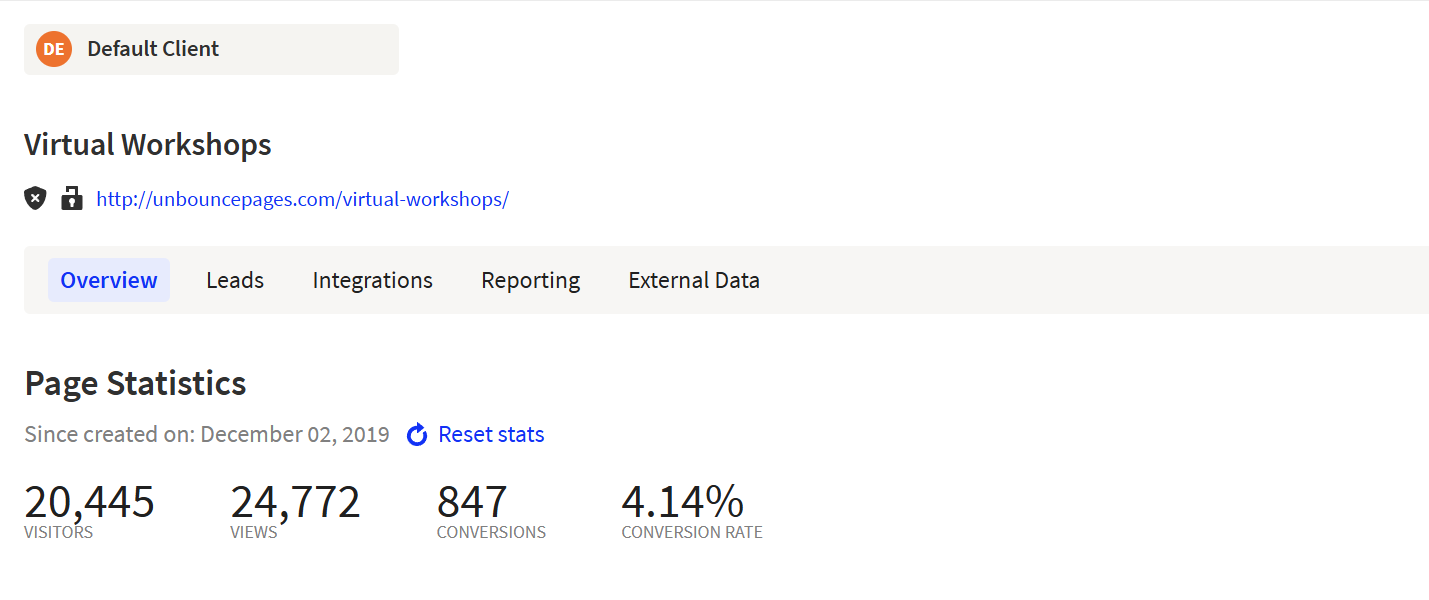

4.14%+ workshop conversion rate
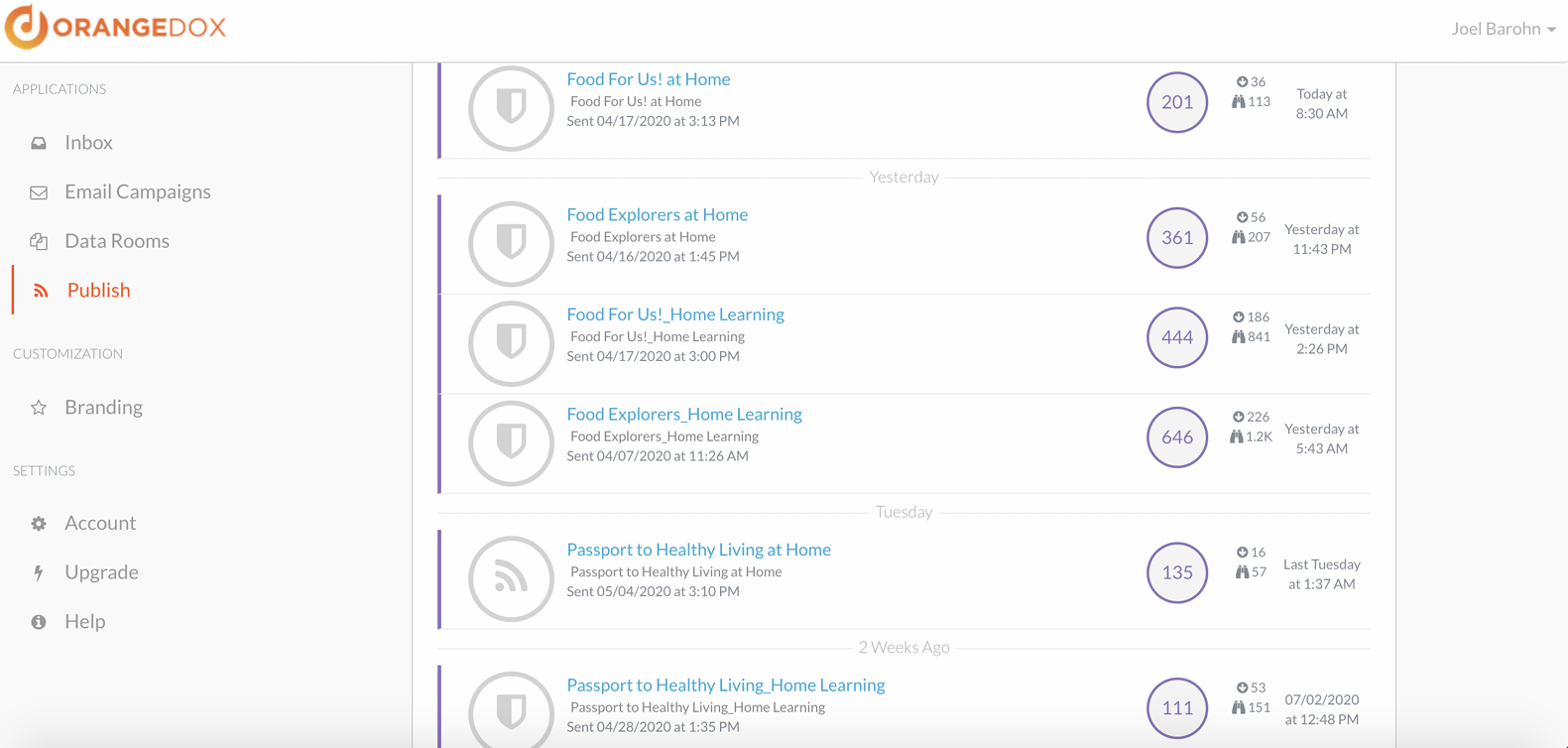
500+ program downloads
Phase II:
Pre-recorded online workshops
Challenge:
Operational Sustainability: Live Zoom workshops were disrupted by staffing changes and scheduling conflicts.
Participant Engagement: Frequent no-shows reduced workshop attendance and ROI.
Cost Efficiency: High operational demands increased resource use, highlighting the need for scalable, on-demand learning solutions.

My role:
Collected and analyzed engagement metrics and direct user feedback to refine content, navigation, and learning experience, ensuring a user-centered approach across all digital touchpoints.
Transitioned live workshops into bite-sized, on-demand video modules hosted on Vimeo, improving accessibility and engagement.
Managed graphics designer (Emerson Tanaka) and film crew (Steve Hawkins); developed workshop scripts and led on-camera delivery to ensure clarity and visual consistency.
Maintained downloadable materials via Orangedox, tracking usage and engagement to inform iterative improvements.
Managed registration landing pages on Unbounce; executed Facebook campaigns and conversion funnels, optimizing based on analytics and user behavior data.
VIMEO Video Rollout:
Research
Teachers who previously attended in-person workshops and those new to the program were invited to view our 30-minute Food Explorers workshop video series on Vimeo. They provided feedback via a 15-minute survey, generating insights on content clarity, engagement, and usability.
32 respondents
Impact & Insights
Seamless Navigation: 100% of respondents reported easily accessing the workshop via the linked landing page, validating the effectiveness of the registration and funnel design.
Content Appropriateness: 100% of participants found the workshop length appropriate, confirming the pacing and bite-sized format met user needs.
Engagement & Experience: 100% of respondents found the workshop videos engaging, supporting the design of visually clear, user-centered learning modules.
UX-Driven Strategic Impact: Synthesized survey feedback and engagement data to refine video content, digital resources, and delivery flow. Applied user-centered design principles to optimize accessibility, learning effectiveness, and overall satisfaction.
“I liked that it wasn’t just someone talking at me. The graphics and pictures were good”
Kindergarten Teacher, SD #39
“Yes! Incredibly easy to navigate.”
Grade 1 Teacher, SD #35
Key Learnings
Validated User Demand: Confirmed strong teacher interest and engagement with online, on-demand workshops.
Organizational Readiness: Strengthened capacity to pivot to digital learning and scale remote delivery efficiently.
Platform Insights: Identified limitations of Vimeo for self-paced learning, highlighting the need for a dedicated LMS to manage workshops, CRM, and digital resources.
Identified gaps in Vimeo as a platform, and the need for a dedicated LMS to handle self-paced workshops, CRM, and digital downloads.
Phase III:
Launch E-Learning Hub
Challenge:
Identify and evaluate e-learning platforms that enable:
User Control: Features such as pause, rewind, and self-paced navigation to support flexible learning.
Participant Engagement: Opportunities for interaction through chats, emails, or discussion forums.
Resource Accessibility: Seamless access to downloadable materials and learning resources.
Research
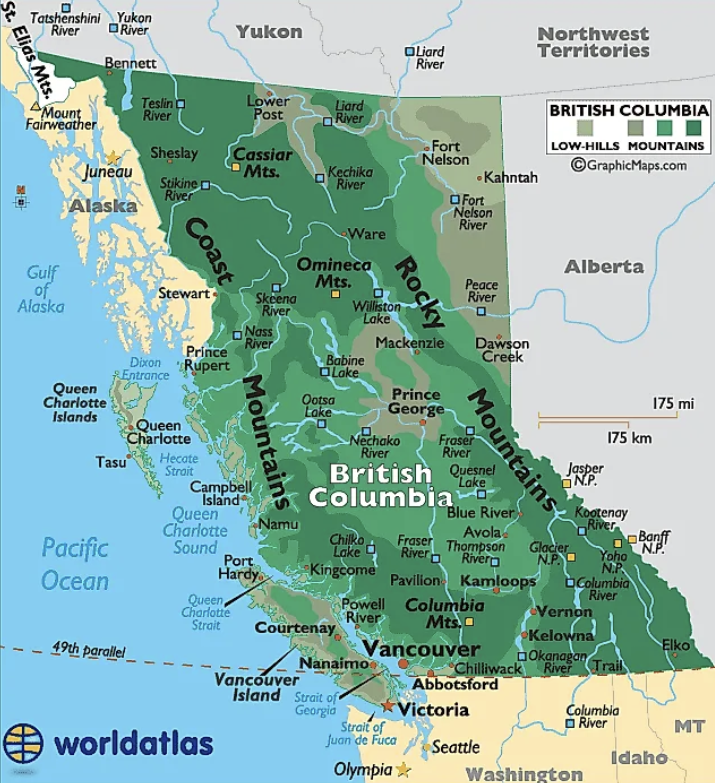
Environmental Scan: Conducted a 6-month survey and interview study with teachers across BC to understand needs, preferences, and pain points around virtual professional development.
Targeted Recruitment: Developed and executed a Facebook campaign to recruit participants, defining campaign scope, messaging, and targeting strategy.
User Feedback Collection: Gathered both qualitative and quantitative insights from teachers with prior experience and new users, informing e-learning platform evaluation and content strategy.
UX-Driven Insights: Synthesized feedback to identify desired platform features (e.g., pause/rewind, engagement tools, resource downloads) and inform organizational decisions for scalable digital learning solutions.
150+ respondents
Solution
Platform Selection: Identified Thinkific as the new LMS and CRM platform to support scalable, self-paced nutrition programs.
User-Centered Features: Enabled flexible learning with video modules, pause/rewind functionality, and downloadable resources.
Operational Integration: Streamlined program management, including resource downloads and ordering support, reducing administrative burden and improving user experience.

Dashboard Header
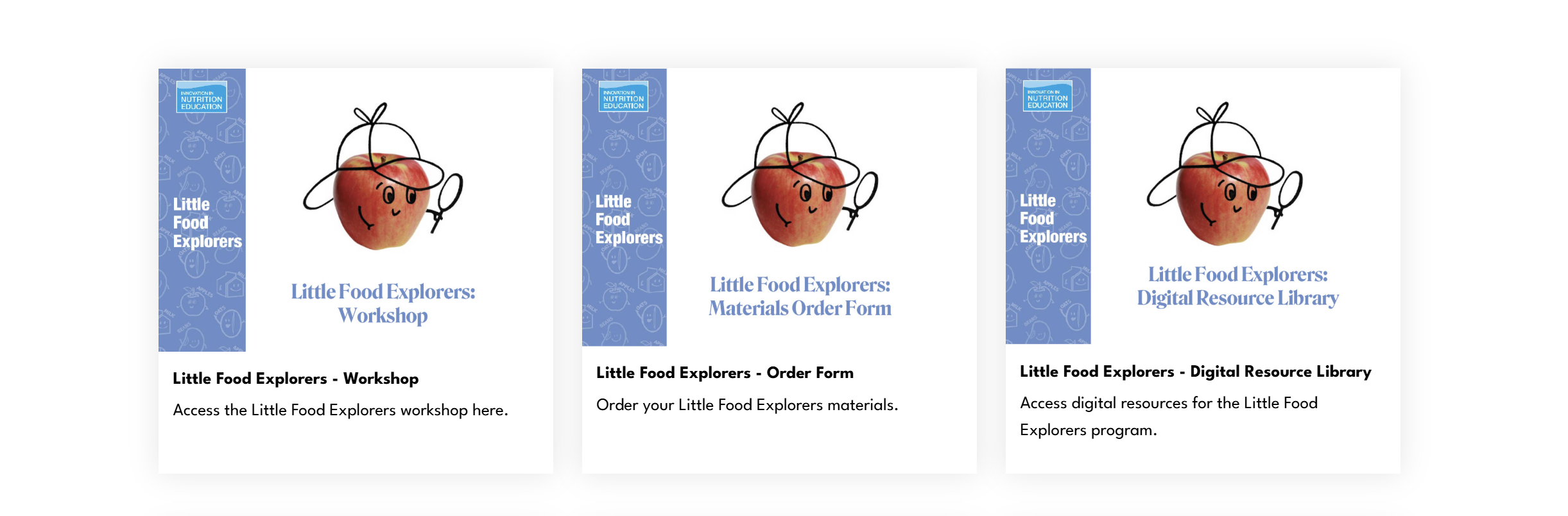
Resources
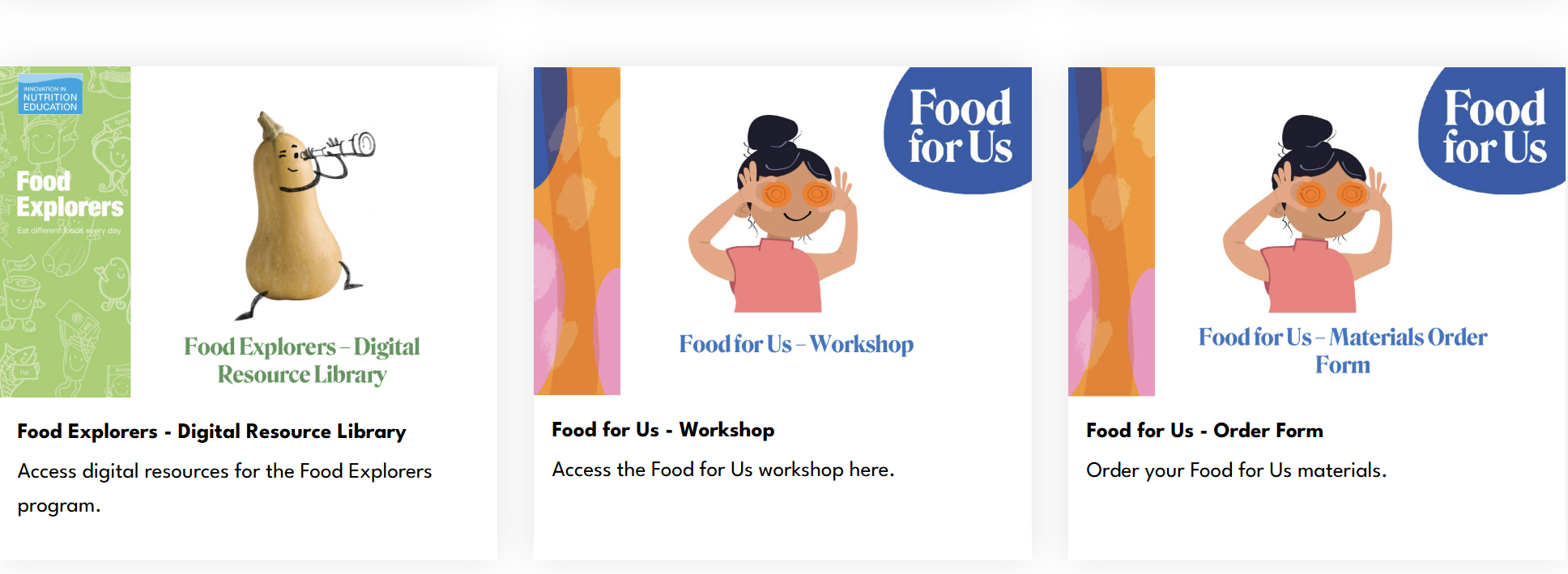
Self-Paced Workshops
Impact
Scalable Reach: Annually educated 20,000+ students across BC through self-paced, online nutrition programs — with continued growth.
UX-Driven Delivery: Enabled flexible, on-demand learning with pause/rewind features and downloadable resources, improving accessibility and engagement.
Operational Efficiency: Streamlined program management through Thinkific LMS and CRM, reducing administrative burden while maintaining a high-quality user experience.
Strategic Growth: Synthesized teacher feedback and engagement data to guide ongoing platform enhancements and content development, ensuring the program scales effectively and meets user needs.
Reach 20,000+ students across BC.
AND GROWING!
Acknowledgements
This work was proudly supported by the Dairy Farmers of British Columbia, internal teammates at BC Dairy Association, including Erica Cahill, RD (project management, health professional, scripts, video production), Wendy Kwok (graphics design and video editing), Emerson Tanaka (digital graphics design), Steve Hawkins (video production), and the Vancouver Downtown YMCA.
The project also required coordinating cross-functional partners including digital learning developers (Onlea) and research consultants (Prairie Research Associates) to translate research insights into a cohesive user experience.